Why Micro-Influencers Are Becoming a Retail Channel in Australia

Everyone working in social media marketing has a micro-influencer success story now. No doubt you've heard someone talking about the creator with 18,000 followers who outperformed the celebrity partnership, or the product that sold out because someone filmed themselves using it in their bathroom. These anecdotes have become a fixture in agency presentations and client debriefs alike.
But hearing the stories is one thing. Figuring out why certain campaigns were successful is another challenge entirely.
Many brands are running micro-influencer programs that simply are not performing. And often, they cannot understand why they are failing, despite following the same formula that seemed to work like magic for others.
The brands winning with micro-influencers are seeing success because they do not treat them as a cheaper version of traditional influencer marketing. Instead, they are thinking of them as a retail channel that can outperform paid social and search and build the kind of consumer trust that no media budget can manufacture.
In Australia, this is amplified by a cultural factor. We are a market that tends to distrust obvious aspiration, often described as "tall poppy syndrome," and polished advertising can sometimes trigger scepticism rather than interest. A micro-influencer who has not crossed into celebrity territory can make a recommendation that lands like a tip from a friend, while a global ambassador delivering the same message can register as a paid endorsement, because that is exactly what it is.
Micro-influencers are no longer just a media channel. Increasingly, they are becoming a commerce channel built on trust, context, and community.
Why Micro-Influencers Convert Better Than Celebrity Influencers
The instinct to prioritise reach is understandable. Bigger audiences suggest more visibility, and more visibility suggests better results. But in social commerce, that equation rarely holds.
Creator marketing is now mainstream. Research from Tracksuit shows, 66% of marketers already work with creators, while another 10% plan to start this year.
What many brands are seeing in practice is that smaller creators often outperform larger ones in conversion, not because they reach more people, but because they reach the right people in the right context.
A creator filming themselves using a product in their actual home, with unscripted commentary about what they like and what they do not, will often outperform a well-lit, heavily briefed brand video. Not because the production is better, but because the audience trusts the context.

Photo by Vitaly Gariev on Unsplash
The imperfection is part of the signal. It tells the viewer they are seeing a real experience rather than a performance.
This is not just a brand consideration. It is a performance one. In many cases, the efficiency of trust outweighs the efficiency of reach.
Research also suggests that while brands like Kylie Cosmetics and Fenty Beauty are often perceived as highly "trendy," they can score lower on relatability and trust compared to smaller creators with more engaged niche audiences.
Working with 10 creators who each have 20,000 highly relevant followers will often outperform one creator with 200,000 general followers.
The Micro-Influencer Trust Effect: Why Reach Is the Wrong Metric
As creators grow, they often lose the very thing that made them effective: closeness with their audience.

Photo by Detail .co on Unsplash
That relationship, built through repeated exposure, interaction, and consistency over time, is what drives action. This is what makes parasocial trust so powerful. The recommendation itself does not require the same level of consideration as a traditional advertisement because the trust has already been built across dozens of previous posts, stories, replies, and interactions.
The challenge is that this trust does not scale linearly. Once creators reach a certain size, the dynamic starts to change. The comments section becomes harder to manage. Community interaction slows down. The audience becomes broader and less specific. The content often becomes more filtered, more commercial, and more cautious. In many cases, the very thing that made the creator effective starts to dilute.
This creates a paradox: the moment a creator becomes "too big," they can become less effective at driving meaningful engagement.
Why Giving Creators Creative Freedom Drives Better Results
Marketers like numbers. Engagement rates, impressions, and click-through rates provide a sense of control and comparability.
But social commerce does not always behave in ways that are easily measurable.
That tension reveals a deeper issue. Brands say they value authenticity, but often default to control by scripting, over-directing, or forcing messaging into formats that break the very trust they are trying to leverage.
You see it in the creator who answers questions in the comments without waiting for brand approval. In captions that clearly were not written by a marketing team. In the creator who posts the unflattering product photo alongside the good one, because honesty is how they've built their audience's trust over time.
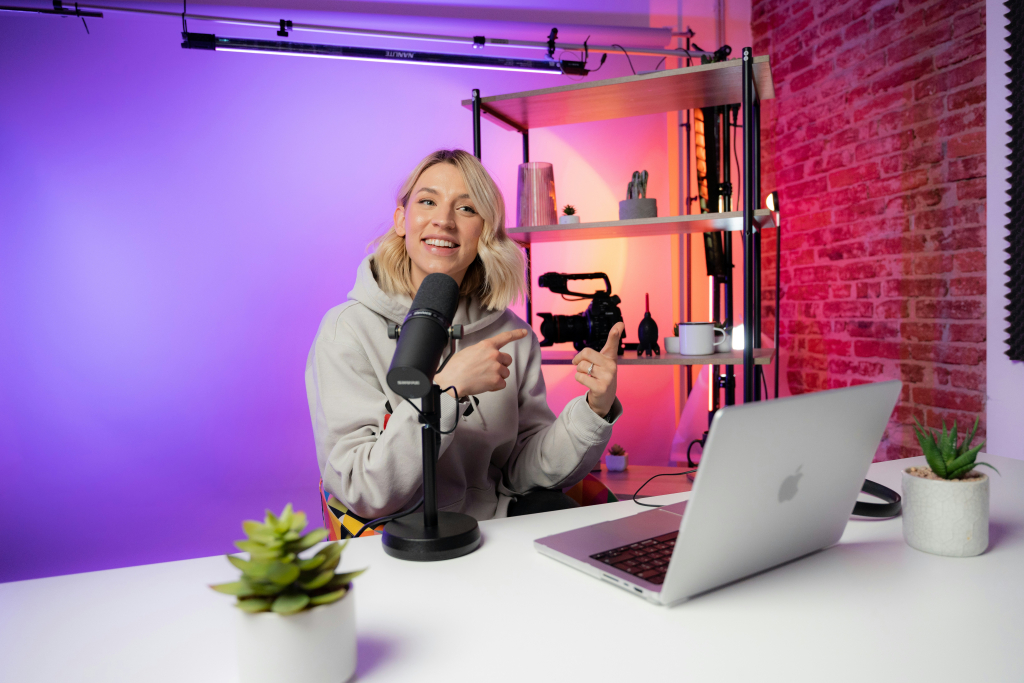
Photo by Videodeck .co on Unsplash
The problem is that the most important factor, the way a creator communicates, responds, and connects, is difficult to quantify.
This is the "vibe factor" your dashboard cannot capture.
Why Social Commerce Works Differently in Australia
Australia presents a unique environment for social commerce. Audiences are highly attuned to tone and intent. Overly polished content is often met with scepticism, while content that feels personal and unfiltered tends to perform better.
For example, smaller creators within specific communities such as beauty, fitness, or food often drive stronger conversion than national campaigns because their recommendations feel contextual and relevant to their audience.
A local creator in Bondi talking about a product in a real-life setting will often outperform a national campaign, not because of production quality, but because of proximity and trust.
This is where micro-influencers can be especially effective. Their recommendations often feel more personal, more trusted, and closer to the way people actually discover products through social platforms.
How Brands Are Using Creators as a Commerce Channel
The shift many brands are still catching up to is this: creators are no longer just content producers. They are becoming part of the distribution layer.
One of the clearest examples of this shift is Olipop. Rather than relying heavily on celebrity-style campaigns, the brand invested in creators who already had credibility within niche wellness and lifestyle communities.
The result was not just awareness. It translated into stronger consideration and conversion because the recommendation felt native to the audience rather than being inserted into it.
Research from the IPA has also suggested that long-term creator partnerships can deliver stronger ROI than many traditional digital channels, with some studies showing that creator marketing outperforms paid social and performs on par with TV advertising.

What many brands are seeing is a move from treating creators as campaign assets to treating them as ongoing commercial partners.
Brands that invest in long-term creator relationships often see stronger performance across both engagement and conversion, not because of scale, but because of consistency and trust.
This changes how brands should think about budget allocation, performance measurement, and partnership structure. It becomes less about individual campaigns and more about building a consistent, trusted presence through the right creators over time.
Final Thought
If your micro-influencer strategy is not delivering, the issue often is not scale. It is alignment. The brands seeing stronger results are the ones treating creators as long-term commercial partners rather than short-term campaign inventory. As social commerce matures, creators are becoming less of a supporting media channel and more of a trusted layer within the path to purchase.